
Healthy Brushing Habits for Children: A Parent’s Guide
Updated: Feb 10

Helping your child develop great oral hygiene habits is one of the most valuable gifts you can give them. Strong, healthy teeth begin at home long before the dentist steps in — and the earlier you build good routines, the easier everything becomes.
Below are our very own, best evidence-based, parent-tested tips to make brushing safer, easier, and far more effective for your child.
1. Until Age 8, Children Need Help Brushing

Before around eight years of age, most children don’t yet have the hand dexterity to brush independently. A good rule of thumb? If your child cannot tie their shoelaces yet, they definitely still need help brushing and can’t just be left to do it all themselves.
The routine we recommend:
Let your child brush first. They get practice, confidence, and control.
A parent follows up. This ensures all the tricky spots are cleaned properly.
This “you brush first, then I brush” system works beautifully and keeps things positive.

2. Don’t Forget the Tricky Spots
The most commonly missed place is along the tongue-side of the lower back molars. Kids naturally push their tongue against the brush here, which makes access harder.
Tips to make it easier:
Start brushing in this area first before they get restless or have a mouth full of toothpaste.
Or let your child have a quick spit mid-brush — the tongue tends to relax, giving you better access.
3. If Molars Touch, It’s Time to Start Flossing
Once your child’s molars make contact, food and sticky residues (like dried fruit) get trapped between them. These spots are the most cavity-prone surfaces in children’s mouths. These areas are exactly where decay loves to start, so focusing here pays off.
Daily flossing removes what brushing can’t and dramatically reduces the chance of fillings later on.

4. Use an Electric Toothbrush as Soon as You Can
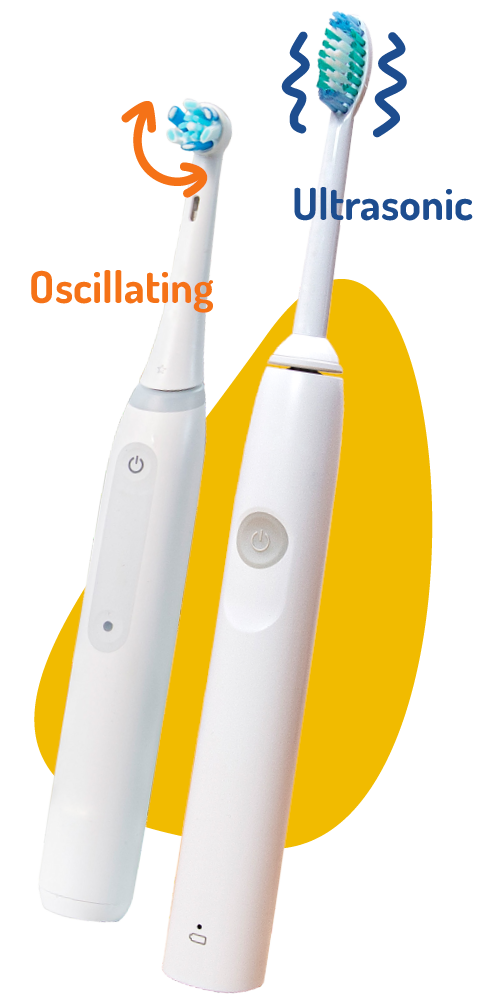
You don’t need the top-of-the-line model. In fact, our top recommendation is the Oral-B Vitality Sensitive:
Affordable (often under $30 when on special)
Oscillating head (back-and-forth rotation) — more comfortable and more effective than a manual toothbrush
Rechargeable stand — no batteries
Any Oral-B head fits the same handle
Choose soft, flat nylon bristles (called sensitive)
Avoid flashy names like cross-action or floss action — they’re unnecessary, they have added rubber which can actually be more harmful than helpful
There are 2 kinds of electric toothbrushes: Oscillating and Ultrasonic brushes. These can be ticklish or uncomfortable for kids, and they’re usually much more expensive, so we prefer the simple, effective oscillating style. Their heads a small enough for adults and kids. Dr Annie has seen even the most sensory averse patient get used to an electric toothbrush. The trick is to persist!
Some studies have proven electrical tooth brushes to be up to 4 times more effective than a manual toothbrush. Yes, you read it right. It’s a no-brainer really, isn’t it.
5. How Much Toothpaste Should You Use?

This depends on your child’s decay risk and age.
Under 2 years old
Just a tiny smear, like butter on toast
Maximum rice-grain sized
Toothpaste should be age-appropriate unless they have high decay risk (the box usually has a recommended age). Interestingly, Australia is extremely conservative in how much Fluoride they put in paste in comparison to other worldwide countries. So, don’t stress! They will not get too much unless they accidentally eat the whole tube.
Ages 2–6
Pea-sized only if they can reliably spit
If they swallow most of it, stay closer to a small smear
Use toothpaste under 1000 ppm fluoride only if they are low-risk and under six
Over 6 years OR as soon as an adult tooth appears
Switch to a higher fluoride toothpaste (1000–1450 ppm).
Why fluoride matters:
Topically: It sits on the teeth and strengthens enamel physically
Systemically: The tiny amount they swallow helps developing adult teeth form stronger even when you are blissfully unaware of them growing away in the jaws.
This is why the amount you apply is important — little ones swallow more than older kids.
6. Don’t Rinse After Brushing

One of the most powerful habits:
Brush → spit → don’t rinse.
Rinsing washes away all the protective fluoride before it can do its best work. If your child needs to rinse because they’ve got food stuck everywhere (or braces), that’s absolutely fine — just add a little smear of toothpaste back onto the teeth afterward.

7. Two Minutes, Twice a Day (Minimum)
Brushing twice daily for two minutes is the baseline for healthy teeth. Many kids won’t tolerate a full two minutes when they are really little, which is why using an electric toothbrush from early on helps you get the most done in the time they allow.
8. Make Brushing Positive (But Non-Negotiable)
Just like nappy changes, brushing isn’t always a child’s favourite activity. But it must be a non-negotiable for their health.
Some ways to keep it positive:

Let them watch you brush
Brush together
Play their favourite 2-minute song
Use a rewards chart
Let them choose their toothbrush colour or toothpaste flavour (fluoride concentration still matters more than flavour so let them try the new ones on the market. No harm in that if they have Fluoride in them).
Children thrive on routine, positive reinforcement, and clear boundaries. They need your help, your consistency, and your example.
9. Diet Still Matters — No Toothbrush Can Undo Sugary, Grazing Eating Habits

Even perfect brushing can’t fully protect teeth if the diet is too high in sugars or frequent snacking.
The combination of:
Good oral hygiene, and
Healthy eating habits (ideally stick to 5 meals a day) is the backbone of lifelong oral health.

10. Sit Behind Your Little One and Let Them Stand in Front of You
Another trick for parents is to stand behind your little one and let them look up and tilt their head back. That helps you see better in the light, let the spit stay in a smidge longer, and helps you get to the teeth easier. They also tend to reverse into you instead of away…which makes them less of a moving target to chase down.

11. Breathing Difficulties Managed

Let them spit and if they struggle to breathe through their nose because they are sick or for whatever reason, give them a chance to swallow after spitting, and then go for the next round.
12. No Need to Add a Mouthrinse

Nothing, that includes rinses can not replace good old mechanic brushing of teeth. The whole idea of a rinse is to add fluoride if there is a high decay risk in kids BUT, if they don’t rinse off their toothpaste, you don’t need a rinse because the toothpaste does the job…save your money. Focus on good brushing and no rinsing unless a dentists tells you your child needs something else.
Final Takeaway Your child’s oral health is built long before they sit in the dental chair. With the right tools, techniques, and routines — and your support — you can dramatically reduce their chances of decay, dental anxiety, or fillings in the future. Healthy brushing isn’t about perfection. It’s about consistency, teamwork, and making the most of the small moments every day.


Comments